Explore surgical dermatology services, including skin cancer excision, shave biopsy, skin biopsy, skin cancer treatment, mole removal, and cyst removal.
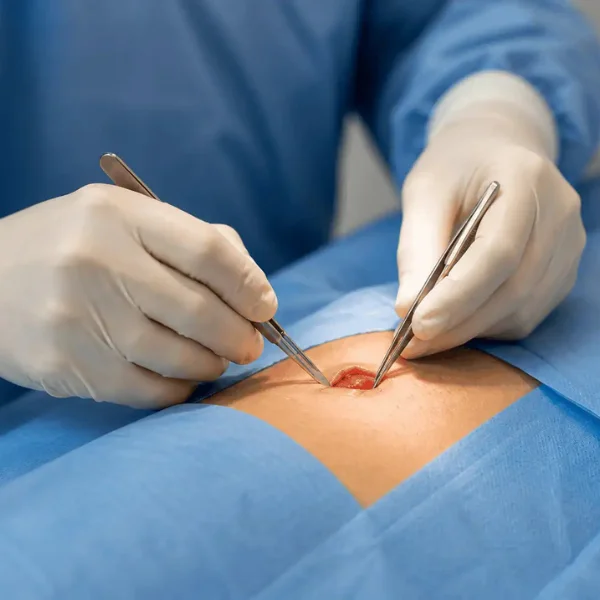
Surgical Dermatology Services
Surgical Dermatology Services
Surgical Dermatology Services
Surgical Dermatology Services
A consultation takes about twenty minutes and we’ll tell you honestly what we’d recommend.
Surgical dermatology focuses on the diagnosis and treatment of skin conditions that may require a minor surgical or procedural approach. At The Medical Group of New Jersey, our surgical dermatology services are designed to provide careful evaluation, appropriate treatment planning, and professional procedural care for a range of skin concerns.
Our approach begins with understanding your skin condition and determining which procedure is appropriate for your needs. From biopsies used for diagnosis to procedures for removing skin cancer, moles, and cysts, treatment is planned according to the individual condition and clinical findings.
Whether you need a diagnostic procedure or treatment for a specific skin growth or condition, our center for surgical dermatology provides dermatologist-led care focused on safety, accurate evaluation, and appropriate follow-up. Every procedure is considered based on the patient’s condition, medical history, and treatment goals.
Medical Disclaimer:
The information provided on this page is for general educational and informational purposes only and should not be considered medical advice, diagnosis, or a substitute for professional medical consultation. Information about procedures, benefits, risks, and recovery may vary from patient to patient. This content does not establish a doctor-patient relationship. You should consult a qualified dermatologist or healthcare professional for an evaluation before undergoing any treatment or procedure. Do not begin, stop, or delay medical treatment based solely on information provided on this website.Dr. Parmvir Singh, MD, is a board-certified dermatologist and a Fellow of the American Academy of Dermatology. He personally sees every patient and provides dermatologic care for patients of different ages, skin types, and levels of complexity. His clinical work includes cosmetic and surgical procedures performed in the office, with a focus on careful evaluation and patient-centered care. He has also contributed to peer-reviewed medical publications and book chapters.
Our surgical dermatology care combines dermatologic expertise with appropriate procedural techniques. Each patient is evaluated before treatment to determine the most suitable approach and whether further diagnostic testing or follow-up is required.
Skin cancer excision is a procedure used to remove a diagnosed or suspected skin cancer along with a margin of surrounding skin when clinically appropriate. The removed tissue can be sent for pathological examination to help confirm that the cancer has been adequately removed.
Excision may be used for certain types of skin cancer, including basal cell carcinoma, squamous cell carcinoma, and melanoma. The exact procedure and amount of tissue removed depend on the type, size, location, and characteristics of the lesion.
Potential risks and side effects:
Potential risks may include temporary pain or tenderness, redness, swelling, bleeding, infection, scarring, changes in skin pigmentation, wound-healing problems, or the need for additional treatment depending on the pathology results.A shave biopsy is a minimally invasive procedure used to remove a superficial portion of a skin lesion for examination. It is generally performed using local anesthesia and may be recommended when a dermatologist needs to evaluate a suspicious growth, mole, rash, or other skin change.
The collected tissue is examined under a microscope to help determine the nature of the skin condition and guide further treatment when necessary. A shave biopsy can provide useful diagnostic information while limiting the procedure to the affected area.
Potential risks and side effects:
Potential risks may include temporary discomfort, bleeding, redness, swelling, infection, scarring, changes in pigmentation, or incomplete removal of the lesion depending on the individual case.A skin biopsy involves removing a small sample of skin so that it can be examined under a microscope. A punch biopsy may remove a small circular section of skin, often under local anesthesia, and the area may be closed with sutures or another appropriate method depending on the size and location.
A biopsy can help diagnose skin cancer, infections, inflammatory skin disorders, and other conditions that may not be diagnosed through a visual examination alone. Your dermatologist will determine whether a biopsy is appropriate based on your skin findings.
Potential risks and side effects:
 Potential risks may include temporary pain or tenderness, bleeding, bruising, swelling, infection, scarring, changes in pigmentation, or a reaction to local anesthesia.
Skin cancer treatment is selected according to the type, location, size, and characteristics of the cancer. Depending on the clinical situation, treatment may involve a procedure such as electrodesiccation and curettage or another appropriate dermatologic treatment.
The goal of treatment is to address the affected tissue while considering the surrounding skin and the patient’s individual circumstances. A dermatologist can assess the lesion and recommend the most appropriate treatment approach.
Potential risks and side effects:
Potential risks vary according to the treatment and may include pain or tenderness, redness, swelling, bleeding, infection, scarring, changes in pigmentation, and recurrence of the skin cancer.Moles are common skin growths, but some may require removal because of their appearance, irritation, changes, or clinical characteristics. A dermatologist can evaluate a mole and determine whether removal is appropriate and which technique is most suitable.
When a mole is removed, the tissue may be examined to help determine its nature when clinically indicated. The removal method depends on factors such as the mole’s appearance, size, location, and depth.
Potential risks and side effects:
 Potential risks may include temporary discomfort, bleeding, infection, scarring, changes in skin pigmentation, irritation, or recurrence depending on the removal technique and individual healing.
Cyst removal is a procedure used to remove certain cysts that may become bothersome, irritated, painful, or recurrent. The appropriate approach depends on the type, size, location, and condition of the cyst.
A dermatologist can examine the cyst and determine whether removal is appropriate. In suitable cases, removing the cyst and its contents may help address the affected area, although cysts can sometimes recur.
Potential risks and side effects:
Potential risks may include temporary pain or tenderness, redness, swelling, bleeding, infection, scarring, changes in pigmentation, and recurrence of the cyst.Choosing a dermatologist for a skin procedure provides the benefit of having your skin condition evaluated by a physician who specializes in diagnosing and treating diseases of the skin, hair, and nails. Surgical procedures performed within dermatologic care can be planned according to the specific characteristics of the skin condition.
At a center for surgical dermatology, treatment can begin with a detailed examination to determine whether a procedure is necessary and which approach may be appropriate. This helps ensure that diagnostic and treatment decisions are based on the individual patient’s clinical needs.
A dermatologist can also provide appropriate follow-up after a procedure and help determine whether additional evaluation or treatment is required.
Surgical dermatology is an area of dermatologic care involving procedures used to diagnose, treat, or remove certain skin conditions. These procedures may include biopsies, excisions, and removal of specific skin growths or lesions.
The type of procedure recommended depends on the condition being evaluated. Some procedures are primarily diagnostic, while others are performed to treat or remove an identified skin problem.
Surgical dermatologists evaluate skin conditions that may require a procedure for diagnosis or treatment. They assess the skin lesion or condition, review relevant medical information, and determine whether a surgical or procedural approach is appropriate.
Depending on the patient’s needs, a dermatologist may perform procedures such as skin biopsies, shave biopsies, skin cancer excision, mole removal, or cyst removal. Procedures are selected according to the characteristics and location of the condition.
At a skin surgical center, dermatologic evaluation and procedural care can be coordinated as part of the patient’s overall skin care.
A professional dermatologic examination can help identify the characteristics of a skin lesion and determine whether further testing or treatment is needed.
Every skin condition is different. A dermatologist can recommend a procedure based on the patient’s specific condition, medical history, lesion characteristics, and treatment needs.
Having a procedure performed as part of dermatologic care allows the treatment approach to be selected according to the condition being treated and the surrounding skin.
Biopsies can provide important information when a skin condition cannot be accurately diagnosed through examination alone. Laboratory or pathology evaluation of tissue may help guide further treatment.
Some skin conditions require follow-up after a procedure. Professional dermatologic care allows patients to receive appropriate monitoring and further recommendations when necessary.
Dermatology-based surgical care combines knowledge of skin conditions with procedural treatment. This allows the dermatologist to consider not only the removal or treatment of a particular lesion but also its clinical characteristics, surrounding skin, and need for further evaluation.
At The Medical Group of New Jersey, surgical dermatology procedures are approached with careful assessment and individualized treatment planning. Whether a procedure is being performed for diagnosis or treatment, the appropriate technique is determined according to the patient’s condition.
The first step is a professional skin evaluation. During a consultation, your dermatologist can examine the area of concern, discuss your symptoms and medical history, and determine whether a procedure or further diagnostic evaluation is appropriate.
If you are looking for a center for surgical dermatology, a consultation can help you understand your treatment options and what to expect from the recommended procedure.
Surgical treatment is sometimes only one part of managing a skin condition. Depending on the diagnosis, you may require follow-up examinations, pathology review, additional treatment, or ongoing monitoring.
A personalized approach helps ensure that recommendations are based on your individual skin condition rather than applying the same procedure to every patient. Your dermatologist can guide you through the appropriate next steps following treatment.
Our approach to surgical dermatology emphasizes professional evaluation, appropriate treatment selection, and patient-focused care. From diagnostic biopsies to procedures for skin cancer, moles, and cysts, each treatment is considered according to the patient’s individual needs.
Our goal is to provide clear information about your condition and procedure while helping you understand the potential benefits, risks, and follow-up requirements.
If you have a suspicious skin lesion, mole, cyst, or other skin concern that may require a procedure, schedule a consultation with a qualified dermatologist. At our skin surgical center, your condition can be professionally evaluated and an appropriate treatment plan can be discussed.
Medical Disclaimer:
This page provides general information about dermatologic procedures and is not intended to provide medical advice, diagnosis, or treatment. Individual treatment recommendations, outcomes, risks, side effects, and recovery may vary. Always consult a qualified dermatologist or healthcare professional for an examination and personalized medical advice before undergoing any procedure.Surgical dermatology involves dermatologic procedures used to diagnose, treat, or remove certain skin conditions. Procedures may include skin biopsies, excisions, and removal of specific skin growths or lesions.
The procedures offered on this page include Skin Cancer Excision, Shave Biopsy, Skin Biopsy, Skin Cancer Treatment, Mole Removal, and Cyst Removal. The appropriate procedure depends on the patient's individual condition and clinical evaluation.
A dermatologist may recommend a biopsy when a skin lesion or condition requires microscopic examination for diagnosis. A biopsy can help evaluate certain skin cancers, infections, inflammatory conditions, or other unexplained skin changes.
Dermatologic procedures are performed according to the patient's condition and the appropriate clinical approach. However, every procedure can involve potential risks and side effects. These may include pain, bleeding, infection, swelling, scarring, or pigmentation changes depending on the procedure. Your dermatologist can discuss the specific risks relevant to your treatment.
The appropriate procedure depends on the type, size, location, and characteristics of the skin condition, along with your medical history and other clinical factors. A consultation at a skin surgical center can help determine whether a procedure is appropriate and which treatment approach may be recommended.
No. Some skin growths may only require observation, while others may need a biopsy or removal because of their characteristics, symptoms, changes, or clinical concern. A dermatologist can evaluate the growth and recommend the appropriate next step.