
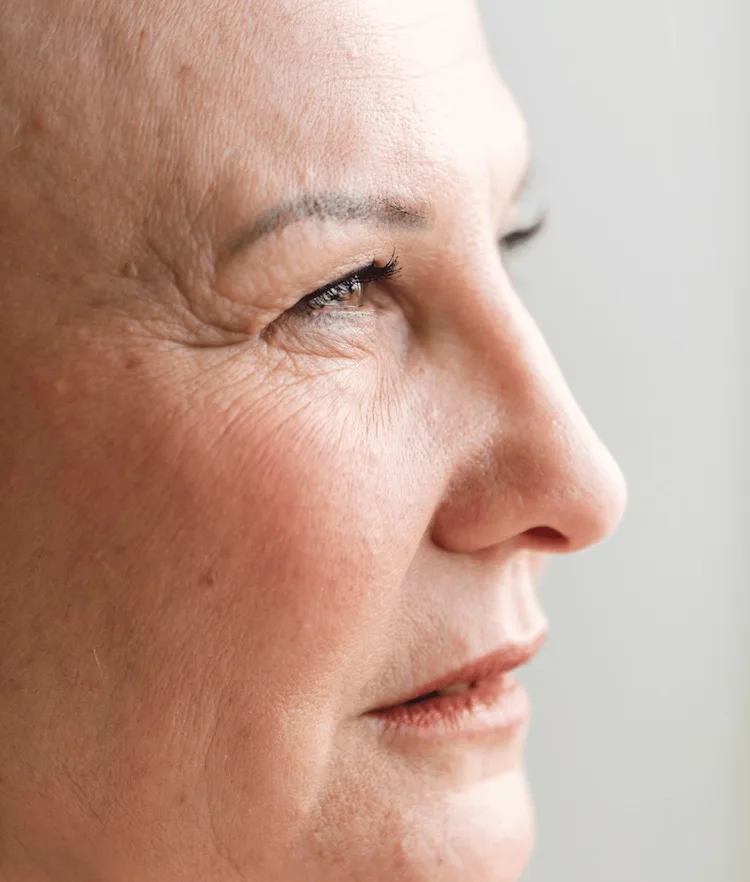
Advanced Sebaceous Hyperplasia Treatments
Sebaceous hyperplasia is a common, benign skin condition that occurs when the sebaceous glands, which produce natural skin oils, become enlarged. It typically appears as small, soft, yellowish or skin-colored bumps, often on the forehead, nose, and cheeks. Although these bumps are generally harmless, some people choose treatment because of their appearance or irritation.
Our sebaceous hyperplasia treatments focus on improving the appearance of affected skin through appropriate dermatological care. Treatment options may include topical medications, electrocautery, laser therapy, or cryotherapy, depending on the appearance and number of lesions and the patient’s skin condition.
A professional skin evaluation helps confirm the diagnosis and determine which approach may be suitable. Since sebaceous hyperplasia can sometimes resemble other skin conditions, an accurate diagnosis is important before proceeding with treatment.
Medical Disclaimer:
This page is intended for general educational purposes only and does not provide medical advice, diagnosis, or a substitute for professional consultation. It does not establish a doctor-patient relationship. Treatment suitability, results, recovery, risks, and side effects vary between individuals. Consult a qualified dermatologist or healthcare professional for an individualized assessment before undergoing treatment. Do not begin, stop, or undergo treatment based solely on the information provided on this page.
Our Doctor & Clinical Expertise
Dr. Parmvir Singh, MD, is a board-certified dermatologist and Fellow of the American Academy of Dermatology (AAD). He personally sees every patient and provides dermatological care based on individual skin concerns, medical history, and treatment goals.
With experience in medical and cosmetic dermatology, Dr. Singh evaluates skin growths and helps patients understand their treatment options. A thorough examination is particularly important when a bump’s appearance is uncertain or another skin condition needs to be ruled out.
Our approach to sebaceous hyperplasia treatments begins with understanding the patient’s concerns and assessing the affected skin. Treatment recommendations are based on the diagnosis, the characteristics of the lesions, and the patient’s preferences.
Sebaceous Hyperplasia Treatments We Offer
Topical Treatments for Sebaceous Hyperplasia
Topical medications may help reduce the appearance of some sebaceous hyperplasia lesions or manage their development in selected patients. Depending on the condition, a dermatologist may recommend a prescription product as part of an individualized treatment plan.
These products may take time to show improvement and may not completely remove established bumps. A professional assessment can help determine whether topical treatment is suitable for your skin.
Potential risks and side effects:
Topical treatments may cause dryness, redness, peeling, irritation, or increased skin sensitivity. The risks depend on the medication used and the individual's skin condition.
Sebaceous Hyperplasia Laser Treatment
Sebaceous hyperplasia laser treatment uses focused laser energy to target affected tissue and reduce the appearance of enlarged sebaceous glands. It may be considered for patients who want to address visible bumps, particularly in areas such as the forehead, nose, and cheeks.
The appropriate laser and treatment approach depend on the size, number, and location of the lesions, as well as the patient’s skin type. More than one session may sometimes be needed, and complete removal cannot be guaranteed.
Potential risks and side effects:
Possible side effects include temporary redness, swelling, tenderness, crusting, and changes in skin pigmentation. Scarring and other complications are possible, and treated lesions may recur.
Electrocautery for Sebaceous Hyperplasia
Electrocautery uses controlled electrical heat to destroy or reduce the tissue forming an affected bump. This in-office procedure may be considered when individual lesions are bothersome or cosmetically unwanted.
The dermatologist evaluates the lesions before treatment and determines whether electrocautery is appropriate for the affected area. Proper technique and aftercare are important to support healing and reduce the risk of unwanted marks.
Potential risks and side effects:
Temporary redness, tenderness, crusting, and discomfort may occur. Potential complications include infection, scarring, and changes in skin pigmentation.
Cryotherapy for Sebaceous Hyperplasia
Cryotherapy uses controlled freezing to treat selected skin lesions. A dermatologist may consider this option depending on the size, location, and characteristics of the bumps.
The treated area may develop a temporary blister or crust before healing. Cryotherapy is not appropriate for every lesion, so a professional assessment is needed before treatment.
Potential risks and side effects:
Possible side effects include temporary discomfort, redness, blistering, crusting, and lightening or darkening of the treated skin. Scarring is possible in some cases.
Why Choose Professional Sebaceous Hyperplasia Treatment?
Choosing professional care allows your skin concerns to be assessed before any procedure is performed. Although sebaceous hyperplasia is usually benign, its appearance can resemble other skin growths that may require a different approach.
A dermatologist can examine the affected area, confirm the likely diagnosis, and discuss suitable treatment options. This helps patients understand the expected results, healing process, and possible risks before making a decision.
Professional care also supports appropriate aftercare and follow-up if lesions persist, recur, or change in appearance.
What Is Sebaceous Hyperplasia?
Sebaceous hyperplasia occurs when the skin’s oil-producing glands become enlarged, creating small raised bumps. These bumps are usually soft and yellowish or skin-colored, sometimes with a small depression in the center. They commonly appear on the forehead, cheeks, and nose.
The condition is generally harmless and does not require treatment for medical reasons in every case. However, some people choose treatment because the bumps affect their appearance or become irritated.
Because other skin conditions can look similar, a dermatologist may examine the bumps closely and occasionally recommend a biopsy if the diagnosis is uncertain.
What Do Dermatologists Do to Treat Sebaceous Hyperplasia?
Dermatologists examine the size, location, and appearance of each lesion to confirm the diagnosis and recommend suitable treatments for sebaceous hyperplasia. They may also review the patient’s skin history to determine whether further examination is needed.
Treatment options may include topical medications, electrocautery, cryotherapy, or laser procedures, depending on the patient’s skin condition and treatment goals. A dermatologist can help determine which approach is most appropriate for the affected area.
Before treatment, your dermatologist can also explain the expected results, recovery time, potential side effects, and the possibility of lesions returning or new ones developing.
Benefits of Professional Sebaceous Hyperplasia Treatments
Improves the Appearance of Visible Bumps
Treatment can reduce or remove selected sebaceous hyperplasia lesions, helping improve the appearance of affected skin. The degree of improvement depends on the treatment method and individual response.
Offers Different Treatment Options
There is no single treatment that is right for everyone. Depending on the patient’s needs, options may include topical medications, electrocautery, cryotherapy, or laser treatment.
Supports an Accurate Diagnosis
Professional assessment helps distinguish sebaceous hyperplasia from other skin growths that may look similar. This is particularly important when a bump is new, changing, bleeding, or otherwise unusual.
Provides Personalized Treatment Planning
Treatment planning considers the location and number of lesions, skin type, medical history, and cosmetic concerns. This helps determine which approach may offer an appropriate balance of expected results and potential risks.
Includes Guidance for Skin Recovery
Aftercare instructions help patients understand how to care for the treated area, protect the skin, and recognize signs that may require further medical attention.
What Makes Dermatology-Based Sebaceous Hyperplasia Care Different?
Dermatology-based care focuses on both the diagnosis and treatment of skin lesions. Rather than treating every bump in the same way, a dermatologist evaluates its characteristics and determines whether treatment is necessary.
For patients considering laser therapy for sebaceous hyperplasia, professional assessment is especially important because laser selection and treatment settings can affect both results and the risk of side effects.
A dermatologist can explain the available options, discuss realistic expectations, and recommend an approach based on the patient’s skin and individual concerns.
Begin Your Sebaceous Hyperplasia Treatment Journey With a Consultation
A consultation allows you to discuss the bumps you have noticed, when they appeared, and whether they have changed over time. Your dermatologist can examine the affected skin and determine whether the appearance is consistent with sebaceous hyperplasia.
If treatment is appropriate, your provider can explain the available options, including sebaceous hyperplasia laser treatment, topical medication, electrocautery, or cryotherapy when suitable.
The consultation is also an opportunity to discuss recovery, potential side effects, costs, and the possibility of recurrence before deciding how to proceed.
Long-Term Skin Care Through Personalized Treatment
Treatment can improve the appearance of existing sebaceous hyperplasia lesions, but it may not prevent new bumps from developing. Some lesions can recur after treatment, and ongoing skin changes may require further evaluation.
Following professional aftercare instructions and maintaining regular skin care can support recovery. Sun protection is also an important part of general skin care, particularly while treated areas are healing.
If a bump changes in size, color, or appearance, or begins to bleed, arrange an assessment rather than assuming it is sebaceous hyperplasia.
Trusted Sebaceous Hyperplasia Care
Managing sebaceous hyperplasia starts with an accurate diagnosis and a clear understanding of your options. Professional care can help you decide whether treatment is necessary and which method is appropriate for your skin.
Our approach to sebaceous hyperplasia treatments emphasizes individualized evaluation, clear explanations, and consideration of both cosmetic goals and potential risks.
Take the Next Step Toward Clearer Looking Skin
If sebaceous hyperplasia bumps on your forehead, nose, or cheeks are affecting your confidence, a professional dermatology consultation can help you understand your options. From sebaceous hyperplasia treatments to laser-based procedures, the right approach depends on your skin and the characteristics of the lesions.
Schedule a consultation today to have your skin evaluated, discuss suitable treatment options, and learn what results and recovery you can realistically expect. A personalized assessment is the first step toward making an informed decision about your skin.
Frequently Asked Questions
What causes sebaceous hyperplasia?
Sebaceous hyperplasia develops when oil-producing sebaceous glands become enlarged. It is more common in middle-aged and older adults, and genetics and other factors may contribute. A dermatologist can examine the bumps and help confirm the diagnosis.
Are sebaceous hyperplasia bumps harmful?
Sebaceous hyperplasia bumps are generally benign and do not require treatment in every case. However, they can resemble other skin growths, including some that need medical attention. Have new, changing, bleeding, or uncertain lesions assessed by a qualified dermatologist.
What are the treatments for sebaceous hyperplasia?
The treatments for sebaceous hyperplasia may include topical medications, electrocautery, cryotherapy, or laser procedures. The most suitable option depends on the number and location of the bumps, the patient’s skin type, and treatment goals. A dermatologist can explain the potential benefits and risks of each option.
Does laser therapy for sebaceous hyperplasia work?
Laser therapy for sebaceous hyperplasia may reduce the appearance of selected lesions by targeting affected tissue. Results vary according to the laser used, the characteristics of the lesions, and the individual’s skin response. Multiple sessions may be needed, and recurrence is possible.
Can sebaceous hyperplasia come back after treatment?
Yes. Treated lesions may recur, and new lesions can develop over time. Treatment can improve the appearance of existing bumps but may not prevent future ones. Your dermatologist can explain what to expect and whether follow-up treatment may be appropriate.
Is sebaceous hyperplasia removal painful?
The level of discomfort depends on the treatment method and the area being treated. Some procedures may cause brief discomfort, while a clinician may use measures to improve comfort when appropriate. Temporary redness, tenderness, swelling, or crusting can occur during recovery.
Potential risks and side effects:
Treatment risks vary by method and may include temporary redness, swelling, tenderness, crusting, infection, scarring, or changes in skin pigmentation. Laser procedures and other lesion-removal methods do not guarantee permanent results, and recurrence is possible. Discuss the specific risks and aftercare requirements with your dermatologist before treatment.
Medical Disclaimer:
This content is provided for general educational purposes only. It is not medical advice, diagnosis, or a substitute for consultation with a qualified healthcare professional and does not establish a doctor-patient relationship. Sebaceous hyperplasia should be assessed by a qualified professional when the diagnosis is uncertain or a lesion changes. Treatment suitability, results, risks, and recovery vary. Seek individualized medical advice before undergoing treatment.