
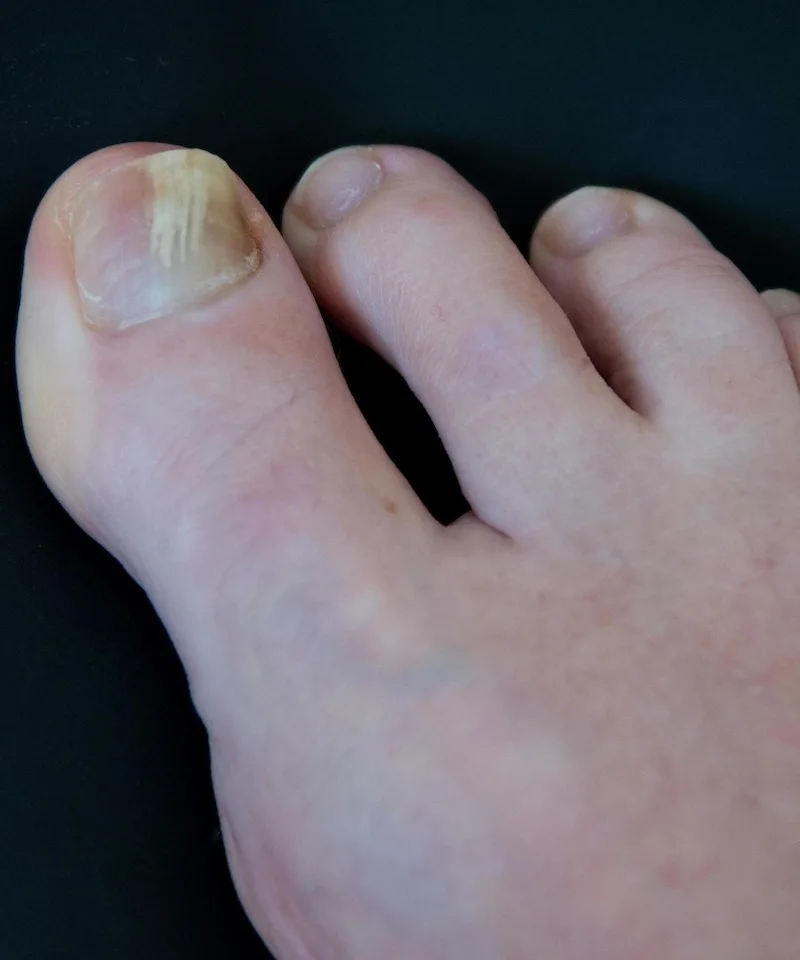
Professional Nail Fungus Treatment
Nail fungus treatment is used to address fungal infections affecting the fingernails or toenails. Also known as onychomycosis, nail fungus can cause nails to become discolored, brittle, thickened, or misshapen and may spread to other nails when left untreated.
A fungal nail infection can develop when fungi enter the nail or nail bed. Warm and moist environments may encourage fungal growth, while factors such as age and certain conditions that affect the immune system can increase susceptibility. A professional evaluation can help determine whether changes in the nail are caused by fungus or another nail condition.
Our approach to nail fungus treatment focuses on identifying the condition and selecting an appropriate treatment based on the affected nails, severity of the infection, medical history, and individual needs. Treatment options may include oral or topical antifungal medications, laser therapy, or nail removal in selected cases.
Medical Disclaimer:
The information provided on this page is for general educational and informational purposes only. It is not medical advice, diagnosis, or a substitute for professional medical consultation. Treatment suitability, results, risks, side effects, and recovery may vary from person to person. This content does not establish a doctor-patient relationship. Consult a qualified dermatologist or healthcare professional before undergoing treatment. Do not begin, stop, or undergo any treatment based solely on information provided on this website.
Our Doctor & Clinical Expertise
Dr. Parmvir Singh, MD, is a board-certified dermatologist and a Fellow of the American Academy of Dermatology. He personally sees every patient and provides dermatologic care for individuals with different skin types and concerns. His clinical work includes cosmetic and surgical dermatologic procedures performed in-office, supported by a patient-focused approach.
A qualified dermatologist can evaluate changes in the nails and determine whether they are consistent with a fungal infection. Professional assessment is important because nail discoloration, thickening, brittleness, or changes in nail shape can also occur with conditions other than fungal infection.
Understanding Nail Fungus
Nail fungus, medically known as onychomycosis, is a fungal infection that can affect the nails of the hands and feet. It may begin as a white or yellow discoloration and can gradually cause the affected nail to become thicker, brittle, or irregular.
Fungi that can contribute to nail infections include dermatophytes, yeasts, and molds. Warm, moist environments such as showers and swimming areas can provide conditions where fungi can thrive.
The infection may affect one nail or multiple nails. Early evaluation can help determine the appropriate management approach and reduce the possibility of the infection affecting additional nails.
Nail Fungus Treatments We Offer
Oral Antifungal Medications
Prescription oral antifungal medications may be recommended for certain nail fungal infections. These medications work systemically and can be appropriate when the infection involves a significant portion of the nail or when topical treatment alone may not be sufficient.
The choice of medication depends on the type and severity of the infection, medical history, potential medication interactions, and other individual factors. Your dermatologist can determine whether an oral medication is appropriate and explain the expected treatment course.
Potential risks and side effects:
Potential side effects vary depending on the medication and may include gastrointestinal symptoms, headache, skin reactions, or other medication-specific effects. Some oral antifungal medicines can affect the liver or interact with other medications, so appropriate medical evaluation and monitoring may be necessary.
Topical Antifungal Medications
Topical antifungal medications are applied directly to the affected nail and surrounding area. They may be considered for certain mild or localized infections and can be used according to the treatment plan recommended by a healthcare professional.
Topical treatments may require consistent application over an extended period because healthy nail growth takes time. Your provider can explain how to use the medication and how long treatment may be required.
Potential risks and side effects:
Potential side effects may include redness, dryness, irritation, burning, itching, or sensitivity around the treated area. Reactions can vary depending on the medication and individual skin sensitivity.
Laser Therapy
Laser therapy may be considered as an option for selected nail fungal infections. The treatment uses focused laser energy directed toward the affected nail and surrounding area.
Whether laser therapy is appropriate depends on the type and severity of the infection and the patient’s individual circumstances. A professional evaluation can help determine whether this approach may be suitable as part of your treatment plan.
Potential risks and side effects:
Potential side effects may include temporary warmth, discomfort, redness, swelling, or sensitivity in the treated area. Results can vary, and laser therapy may not be appropriate for every nail fungal infection.
Nail Removal
In more severe cases, a dermatologist may recommend removing an affected nail. Nail removal may allow the underlying nail bed to be treated and provide an opportunity for a new nail to grow.
The decision to remove a nail depends on factors such as the severity of the infection, extent of nail involvement, symptoms, and response to other treatments. Nail removal does not necessarily eliminate the underlying fungal infection by itself, so additional treatment may be recommended.
Potential risks and side effects:
Potential risks may include pain or tenderness, bleeding, infection, temporary or prolonged changes in nail appearance, scarring, and abnormal nail regrowth. Recovery varies according to the procedure and individual healing.
Why Choose Professional Nail Fungus Treatment?
Professional nail fungus treatment begins with an evaluation of the affected nail and surrounding skin. This can help determine whether the nail changes are caused by a fungal infection and whether further testing may be appropriate.
A dermatologist can consider the number of affected nails, the extent of nail involvement, previous treatments, medical history, and other relevant factors before recommending a treatment approach.
Professional care can also help distinguish nail fungus from other conditions that may produce similar nail changes.
What Is Nail Fungus Treatment?
Nail fungus treatment refers to medical approaches used to manage fungal infections affecting the fingernails or toenails. Depending on the infection and individual circumstances, treatment may involve oral antifungal medication, topical medication, laser therapy, or nail removal.
Treatment often requires patience because nails grow slowly. Even after the fungus is controlled, it can take time for healthy nail growth to replace the affected portion of the nail.
What Does an Onychomycosis Specialist Do?
An onychomycosis specialist evaluates nail changes and determines whether they are consistent with a fungal infection. The assessment may include examining the nail’s color, thickness, texture, shape, and surrounding skin.
An onychomycosis specialist can also consider whether laboratory testing or other diagnostic evaluation is needed before treatment. Once the condition has been assessed, the appropriate treatment options can be discussed based on the patient’s individual needs.
Benefits of Professional Nail Fungus Treatment
Accurate Nail Evaluation
A professional examination can help identify whether nail discoloration, thickening, brittleness, or other changes may be associated with a fungal infection.
Personalized Treatment Plans
Different nail infections may require different approaches. Treatment can be selected according to the extent of infection, affected nails, medical history, and previous treatment response.
Access to Multiple Treatment Options
Depending on the individual case, treatment may include topical or oral antifungal medication, laser therapy, or nail removal.
Management of Persistent Infections
Nail fungus can be persistent and may require ongoing treatment. Professional care allows the response to treatment to be monitored and the approach adjusted when appropriate.
Support for Healthy Nail Growth
Treating the underlying infection can help create the conditions for healthier nail growth. However, visible improvement may take time as the affected nail gradually grows out.
What Makes Dermatology-Based Nail Care Different?
Dermatology-based nail care considers both the appearance of the nail and the underlying cause of the changes. This is important because not every thickened, discolored, or brittle nail is caused by fungus.
An onychomycosis specialist can evaluate the nail carefully and determine whether treatment for a fungal infection is appropriate. When necessary, further diagnostic evaluation can help guide treatment decisions.
Begin Your Nail Fungus Treatment Journey With a Consultation
If you notice persistent nail discoloration, thickening, brittleness, or changes in nail shape, a professional consultation can help determine the cause.
During an evaluation, your dermatologist can examine the affected nails, discuss your symptoms and medical history, and determine whether nail fungus treatment or further diagnostic testing may be appropriate.
Long-Term Nail Health Through Personalized Care
Nail fungus can take time to resolve because fingernails and toenails grow slowly. Even when treatment is effective, the nail may continue to look abnormal until healthy nail growth replaces the affected portion.
Following the treatment plan and recommended nail-care measures can support the management of the infection. Your dermatologist can also advise you about follow-up care based on your response to treatment.
Trusted Nail Fungus Care
Professional nail care focuses on identifying the cause of nail changes and selecting an appropriate treatment approach. If you have persistent changes affecting your fingernails or toenails, an onychomycosis specialist can help determine whether a fungal infection may be responsible.
From topical and oral medications to laser therapy and nail removal when appropriate, treatment can be selected according to the individual condition.
Ready to Take Care of Your Nails?
If you are experiencing thickened, brittle, discolored, or misshapen nails, schedule a consultation with a qualified dermatologist. A professional assessment can help determine whether you need fungus on toenails treatment or another approach based on the cause of your nail changes.
Frequently Asked Questions
What is nail fungus?
Nail fungus, also called onychomycosis, is a fungal infection affecting the nails. It can cause discoloration, thickening, brittleness, and changes in the shape or texture of the nail.
What causes nail fungus?
Nail fungus can be caused by fungi such as dermatophytes, yeasts, and molds. Warm and moist environments can encourage fungal growth, while age and certain health conditions may increase susceptibility.
How is nail fungus diagnosed?
A dermatologist can examine the affected nail and surrounding skin. Depending on the appearance and clinical findings, additional testing may sometimes be recommended to confirm whether a fungal infection is present.
What treatments are available for nail fungus?
Treatment options may include oral antifungal medications, topical antifungal medications, laser therapy, and nail removal in selected cases. The appropriate option depends on the type and severity of the infection and the patient’s individual circumstances.
Is fungus on toenails treatment different from treatment for fingernail fungus?
Fungus on toenails treatment and treatment for fingernail fungus may involve similar approaches, but the appropriate treatment depends on the affected nail, extent of infection, medical history, and other individual factors.
How long does nail fungus treatment take?
Treatment duration varies depending on the severity of the infection and the treatment selected. Because nails grow slowly, visible improvement can take several months even after the infection begins responding to treatment.
Can nail fungus come back after treatment?
Yes. Nail fungal infections can recur after treatment. Following professional treatment recommendations and appropriate nail-care practices may help reduce the risk of recurrence.
When should I see an onychomycosis specialist?
Consider seeing an onychomycosis specialist if you have persistent nail discoloration, thickening, brittleness, unusual nail shape, or changes that do not improve with routine nail care. Professional evaluation can help determine the underlying cause.
Can nail fungus affect multiple nails?
Yes. A fungal infection can affect one nail or spread to other nails. Early assessment may help determine the appropriate treatment and management approach.
What is the best fungus on toenails treatment?
There is no single treatment that is appropriate for every patient. The most suitable fungus on toenails treatment depends on the severity and extent of infection, affected nails, medical history, and other individual factors. A dermatologist can evaluate the condition and recommend an appropriate option.
Are oral antifungal medications safe?
Oral antifungal medications can be effective for certain nail infections but may have medication-specific risks and interactions. Some may require consideration of liver health or other medical factors before and during treatment. Your healthcare professional can determine whether an oral medication is appropriate for you.
Can laser therapy treat nail fungus?
Laser therapy may be considered for selected nail fungal infections. However, suitability and results vary, and it should be discussed with a qualified professional as part of an individualized nail fungus treatment plan.
Potential risks and side effects:
Potential risks associated with nail fungus treatments vary according to the treatment used. They may include medication-related side effects, skin irritation, discomfort, redness, swelling, sensitivity, bleeding, infection, changes in nail appearance, or abnormal nail regrowth following nail removal.
Medical Disclaimer:
This page provides general information about nail fungus and its treatment options and is not intended to provide medical advice, diagnosis, or treatment. Individual treatment suitability, results, risks, and recovery may vary. Consult a qualified dermatologist or healthcare professional for personalized guidance before starting any treatment.