
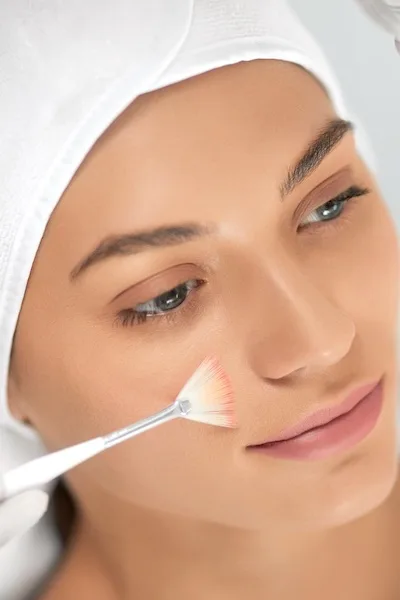
Professional Chemical Peel Services
Chemical peel services are cosmetic skin treatments designed to improve the appearance of the skin by removing damaged outer layers and encouraging a smoother, more refreshed complexion. Depending on the type and strength of the peel, treatment may address concerns such as uneven skin tone, dullness, fine lines, and certain types of acne-related skin changes.
Our professional approach focuses on understanding your skin condition and selecting a suitable treatment based on your skincare goals. Chemical peels vary in strength and formulation, so the appropriate option depends on your skin type, sensitivity, and the concern being treated.
Whether you are considering chemical peel facials for a refreshed appearance or a medical-grade chemical peel for a specific skin concern, a professional assessment is an important first step. Treatment should always be selected according to your individual needs and clinical suitability.
Medical Disclaimer: The information provided on this page is for general educational and informational purposes only. It is not medical advice, diagnosis, or a substitute for professional medical consultation. Treatment suitability, results, risks, side effects, and recovery may vary from person to person. This content does not establish a doctor-patient relationship. Consult a qualified dermatologist or healthcare professional before undergoing treatment. Do not begin, stop, or undergo any treatment based solely on information provided on this website.
Our Doctor & Clinical Expertise
Dr. Parmvir Singh, MD, is a board-certified dermatologist and a Fellow of the American Academy of Dermatology. He personally sees every patient and provides dermatologic care for individuals with different skin types and concerns. His clinical work includes cosmetic and surgical dermatologic procedures performed in-office, supported by a patient-focused approach.
A dermatologist for chemical peels can evaluate your skin and help determine whether a chemical peel is appropriate for your concerns. Professional assessment is particularly important when considering stronger peels, sensitive skin, active skin conditions, or a history of pigmentation changes.
Understanding Chemical Peels
Chemical peels use specially formulated solutions to exfoliate the skin’s outer layers. Depending on the peel’s ingredients, strength, and application, treatment may work on the superficial or deeper layers of the skin.
The purpose of a chemical peel is to improve the appearance of skin texture, tone, and selected skin concerns. Different peels produce different levels of exfoliation and recovery, so treatment should be selected by a qualified professional.
A medical grade chemical peel may use stronger formulations and requires appropriate assessment, application, and aftercare guidance. Not every peel is suitable for every skin type.
Chemical Peel Treatments We Offer
Superficial Chemical Peels
Superficial chemical peels are designed to exfoliate the outermost layer of the skin. They may be considered for individuals who want to improve the appearance of dullness, mild uneven texture, and certain superficial pigmentation concerns.
The strength and ingredients of the peel should be selected according to the patient’s skin condition and treatment goals. Multiple sessions may sometimes be recommended, depending on the desired outcome.
Potential risks and side effects: Potential side effects may include temporary redness, dryness, irritation, peeling, sensitivity, burning or stinging, and changes in pigmentation.Medical Grade Chemical Peel
A medical grade chemical peel is a professionally administered peel that may use a specific concentration or combination of active ingredients to address selected skin concerns. The appropriate formulation depends on the patient’s skin type, medical history, and treatment objectives.
A professional evaluation is necessary before receiving a medical grade chemical peel. Stronger treatments may involve more noticeable peeling and recovery, and should only be performed with appropriate clinical guidance.
Potential risks and side effects: Potential risks may include prolonged redness, irritation, burning, swelling, infection, scarring, changes in pigmentation, and increased sensitivity. Stronger peels may carry additional risks depending on their depth and formulation.Chemical Peel Facials
Chemical peel facials combine a professionally selected exfoliating peel with appropriate facial skincare steps. Depending on the treatment plan, the process may include cleansing, peel application, soothing products, and moisturization.
Chemical peel facials may be considered for individuals who want to improve the appearance of dull skin, uneven texture, or certain superficial skin concerns. The treatment should be customized according to skin sensitivity and current skin condition.
Potential risks and side effects: Potential side effects may include temporary redness, dryness, tightness, irritation, peeling, sensitivity, and pigmentation changes. The risks depend on the products and peel strength used.Chemical Peels for Uneven Skin Tone
Chemical peels may help improve the appearance of certain types of uneven skin tone and superficial pigmentation. However, pigmentation concerns can have different causes and may require a detailed skin assessment before treatment.
A dermatologist for chemical peels can help determine whether a peel is appropriate or whether another treatment may be more suitable for your skin.
Potential risks and side effects: Potential risks may include irritation, redness, worsening pigmentation, post-inflammatory hyperpigmentation, hypopigmentation, and increased sensitivity to sunlight.Chemical Peels for Acne-Related Concerns
Certain chemical peels may be used as part of a skincare plan for selected acne-related concerns, including surface congestion and post-acne discoloration. Chemical peels are not suitable for every type of active acne or skin condition.
Your provider can assess your skin and discuss whether a chemical peel may be appropriate as part of a broader skincare or acne management plan.
Potential risks and side effects: Potential side effects may include dryness, irritation, redness, peeling, breakouts, pigmentation changes, and sensitivity. Active inflammation or damaged skin may increase the risk of irritation.Why Choose Professional Chemical Peel Services?
Professional chemical peel services begin with an evaluation of your skin type, concerns, and treatment goals. This helps determine which peel strength and formulation may be appropriate for your skin.
A qualified chemical peel specialist can explain the expected benefits, possible risks, preparation requirements, and aftercare instructions before treatment. Professional guidance is especially important when considering medium-depth or stronger peels.
Chemical peels are not appropriate for everyone. Your provider may recommend delaying treatment if you have active irritation, certain infections, open wounds, or other conditions that could increase the risk of complications.
What Is a Chemical Peel?
A chemical peel is a cosmetic treatment that uses a chemical solution to exfoliate selected layers of the skin. The treatment can help improve the appearance of texture, dullness, uneven tone, and certain superficial skin concerns.
The depth and results of a peel depend on the ingredients, concentration, application method, and individual skin characteristics. A professional consultation helps determine which type of peel may be suitable.
What Does a Chemical Peel Specialist Do?
A chemical peel specialist evaluates the skin before treatment and considers factors such as skin type, sensitivity, pigmentation history, current skincare products, and existing skin conditions.
The professional selects an appropriate peel and explains the procedure, expected recovery, and aftercare requirements. A chemical peel specialist may also recommend avoiding certain skincare ingredients or procedures before and after treatment to reduce irritation.
Benefits of Professional Chemical Peel Services
Improved Skin Texture
Chemical peels may help remove damaged surface skin cells and improve the appearance of rough or uneven texture.
Brighter-Looking Complexion
Exfoliation may help reduce the appearance of dullness and reveal a fresher-looking complexion.
More Even Skin Tone
Some chemical peels may improve the appearance of selected superficial pigmentation concerns. Results depend on the cause and severity of the discoloration.
Support for Acne-Related Concerns
Certain peels may be included in a skincare plan for selected acne-related concerns. Treatment suitability depends on the patient’s current skin condition.
Personalized Treatment Planning
Professional chemical peel services allow the treatment to be selected according to your skin type, concerns, and desired outcome.
What Makes Dermatology-Based Chemical Peel Care Different?
Dermatology-based chemical peel care focuses on evaluating your skin before selecting a treatment. This is important because chemical peels vary in strength and may produce different levels of exfoliation and recovery.
A dermatologist for chemical peels can assess your skin and help determine whether a superficial or stronger treatment may be appropriate. Professional guidance can also help identify when another treatment option may be more suitable.
Begin Your Chemical Peel Journey With a Consultation
Before scheduling chemical peel facials, discuss your skincare goals and current skin concerns with a qualified professional. Your skin can be evaluated to determine whether a chemical peel is appropriate and which formulation may be suitable.
If you are considering a medical grade chemical peel, your provider can explain the treatment process, possible recovery time, preparation requirements, and potential side effects.
Long-Term Skin Improvement Through Personalized Care
Chemical peels may provide temporary improvements in skin texture and appearance, but results vary from person to person. A consistent skincare routine, appropriate moisturization, and sun protection can support your ongoing skin health.
Your provider may recommend a treatment schedule based on your skin’s response, the type of peel used, and your individual skincare goals. Repeated treatments should only be performed when considered appropriate.
Trusted Chemical Peel Care
Our chemical peel services focus on professional skin evaluation, appropriate treatment selection, and individualized skincare guidance. Chemical peels may be considered for individuals who want to improve the appearance of dullness, uneven texture, fine lines, or selected pigmentation concerns.
A qualified chemical peel specialist can help you understand the potential benefits, limitations, and risks of treatment before you decide whether a peel is suitable for your skin.
Ready to Refresh Your Skin?
If you are interested in chemical peel facials or want to learn more about professional exfoliation, schedule a consultation with a qualified skincare professional. Your skin can be evaluated, and suitable treatment options can be discussed according to your concerns and goals.
Frequently Asked Questions
What is a chemical peel?
A chemical peel is a cosmetic treatment that uses a chemical solution to exfoliate selected layers of the skin. It may improve the appearance of skin texture, dullness, uneven tone, and certain superficial skin concerns.
What is a medical grade chemical peel?
A medical grade chemical peel is a professionally administered peel that uses a selected formulation and concentration to address specific skin concerns. The treatment should be chosen and performed according to the patient’s skin condition and treatment goals.
Are chemical peel facials suitable for all skin types?
Chemical peel facials are not suitable for everyone or every skin condition. A professional assessment is important for individuals with sensitive skin, active irritation, pigmentation concerns, or a history of reactions to skincare products.
How often can I receive chemical peel services?
The recommended frequency depends on the type and strength of the peel, your skin condition, and how your skin responds to treatment. A qualified professional can recommend an appropriate schedule.
Does a chemical peel help with acne?
Some chemical peels may support the management of selected acne-related concerns, but they are not suitable for every type of active acne. A professional evaluation is necessary to determine whether a peel is appropriate.
Can chemical peels remove wrinkles?
Chemical peels may improve the appearance of mild fine lines and surface texture. However, results depend on the depth of the peel, and deeper wrinkles may require other treatment approaches.
Why should I consult a dermatologist for chemical peels?
A dermatologist for chemical peels can evaluate your skin, consider potential risks, and help determine which treatment may be appropriate. Professional guidance is particularly important when stronger peels are being considered.
What does a chemical peel specialist do?
A chemical peel specialist assesses your skin, recommends a suitable treatment approach, and provides guidance about preparation, application, recovery, and aftercare. The professional can also explain realistic treatment expectations.
What should I expect after a chemical peel?
Depending on the type of peel, you may experience temporary redness, dryness, tightness, sensitivity, or peeling. Your provider will explain the expected recovery period and aftercare instructions for your specific treatment.
Are chemical peels safe?
Chemical peels can involve risks and side effects, even when professionally administered. Potential complications include irritation, pigmentation changes, infection, scarring, and prolonged redness. Treatment should be selected according to your individual skin condition.
Potential risks and side effects: Potential side effects of chemical peels may include redness, dryness, irritation, burning or stinging, peeling, swelling, pigmentation changes, infection, and scarring. Risks vary according to the peel's ingredients, concentration, depth, and individual skin characteristics.Medical Disclaimer: This page provides general information about chemical peels and is not intended to provide medical advice, diagnosis, or treatment. Individual results, treatment suitability, recovery, and potential risks may vary. Consult a qualified dermatologist or healthcare professional for personalized guidance before undergoing any cosmetic procedure.